



Commercial Battery Recycling & Collection UK
Nationwide battery collection for UK businesses, from a single UPS swap to a full forklift fleet. As an Approved Battery Treatment Operator (ABTO), we treat your batteries at our own permitted facility.


Overview
What is Commercial Battery Recycling?
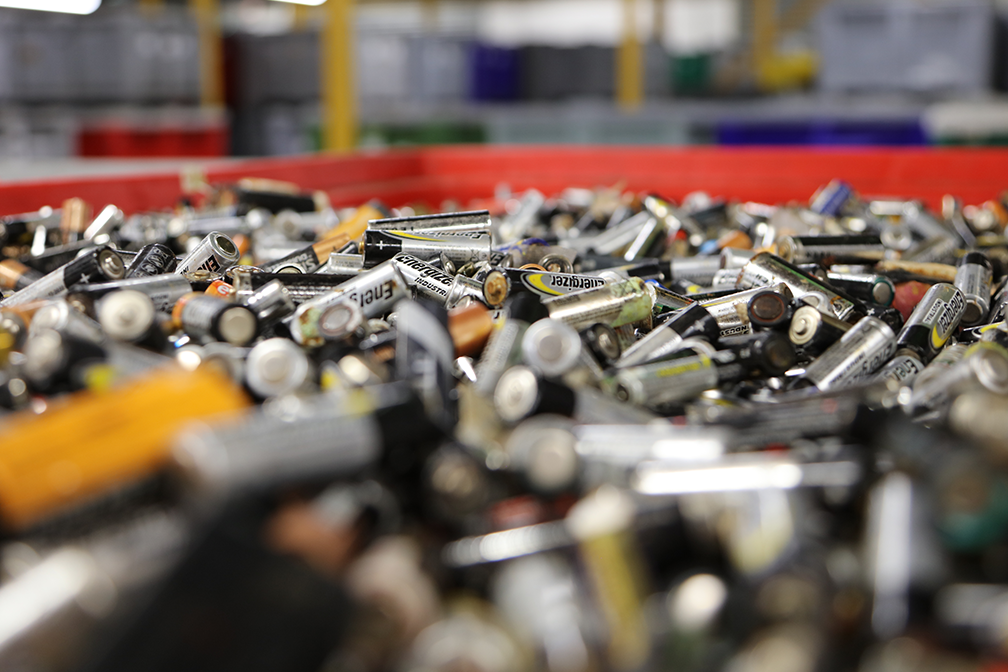
Commercial battery recycling is the compliant collection, transport and treatment of end-of-life batteries from business premises. Lead-acid, nickel-cadmium and mercury batteries are hazardous waste. Lithium batteries carry a non-hazardous waste code but are handled and transported as dangerous goods because of their fire and chemical risk. All waste batteries are controlled by the Waste Batteries and Accumulators Regulations 2009, so they must be segregated, moved by a licensed carrier and treated at a permitted facility. We handle every chemistry generated on a commercial site: lithium-ion, lead-acid, NiCd, NiMH and alkaline, loose or still sealed inside equipment.
When Businesses Need a Battery Collection
UPS and backup power replacements, forklift and MHE battery changes, IT decommissioning with lithium-ion, portable battery collection from offices and retail sites, vape recycling programmes, medical equipment battery disposal, and EV battery disposal.
Explainer
Why Correct Battery Waste Disposal Matters
Batteries contain lithium, cobalt, lead and acids that need specialist treatment. Improper disposal risks soil and water contamination, and lithium-ion batteries are a serious fire hazard in general waste streams. Professional recycling protects the environment and keeps these materials in use.
Why Waste Experts
Why Choose Waste Experts for Commercial Battery Recycling?
We are an Approved Battery Treatment Operator (ABTO) and a fully permitted AATF, so your batteries are treated at our own facility rather than passed down a chain of third parties, and the treatment evidence on your paperwork is ours. Collections run on ADR-compliant transport, we supply fire-safe containers for your site, and lithium-ion is segregated at every stage.

Compliance You Can Evidence
We keep every waste stream fully compliant with clear Duty of Care, the right routes, and audit-ready paperwork.
One Partner, Less Admin
One provider, one invoice, one set of paperwork, however many sites you run.
Nationwide Reliability
Planned collections across the UK, so waste never becomes a storage problem.
Reporting That Proves Progress
Weights, streams, documents and CO2 saved, in one place when the auditor asks.
- ABTO approved, treated at our own facility
- All battery chemistries accepted
- Fire-safe storage containers provided
- ADR-compliant nationwide transport
- Full Duty of Care documentation

Local Drop-off Points
Over 390 CEF branches act as drop-off points for business customers. We do not accept waste from households.
Waste Storage
Our Range of Containers for Electrical, Lamp & Battery Waste
Explore our compliant on-site storage solutions for e-waste, lamps and batteries. Designed for safe handling and secure transport.
How It Works
How Our Battery Collection and Recycling Process Works
We assess your battery waste and supply fire-safe containers for storage. ADR-trained drivers collect on a schedule that keeps on-site quantities low, with lithium-ion segregated throughout. Batteries are treated at our own permitted facility and you receive Duty of Care documentation for every collection.

Step 01
Book a Collection or Container Delivery
Fill out a quick form to let us know what waste you have and we'll sort the rest.
Step 02
We Collect and Process Your Waste
Either ourselves or a supplier will collect all your waste, and process this in-house.

Step 03
We Provide All Necessary Documentation
Complete compliance and Duty of Care with every order we complete for peace of mind.
Service Details
What to Expect
Battery Disposal Regulations and Compliance
Regulated under the Waste Batteries and Accumulators Regulations 2009 and Hazardous Waste Regulations 2005. Batteries must be stored safely, transported by licensed carriers, and treated at authorised facilities. Lithium-ion needs specialist handling due to fire risk.
Commercial Battery Disposal Costs
Depends on battery type, quantities, storage requirements and location. Specialist handling for lithium-ion affects pricing. Segregating by chemistry on site can reduce costs.
Commercial Battery Disposal Across the UK
UK-wide collections with ADR-trained drivers and specialist vehicles. Multi-site businesses get coordinated schedules and consolidated compliance reporting.
Industries
Industries We Serve for Commercial Battery Recycling
IT and data centres, manufacturing, retail, warehousing, healthcare and medical devices, education, and automotive. UPS and backup power, forklift and MHE batteries, power tools, medical equipment, and portable batteries from offices and sites.
Public Services
Supporting secure sites nationwide

Education
Trusted by schools and universities
Industrial
Built for complex waste streams

Facilities Management
One partner across every site

Manufacturing
Keeping production sites compliant

Renewables
Purpose-built for solar and HV waste
What Our Customers Say
Feedback from the businesses and partners we work with across the UK.



FAQs
Your Questions, Answered
What types of batteries can you collect for recycling?
We collect every chemistry a commercial site generates: portable and alkaline, lithium-ion, lead-acid, NiCd and NiMH, plus batteries still sealed inside equipment. As an Approved Battery Treatment Operator we treat them at our own permitted facility, so the treatment evidence on your paperwork comes from us.
Can you collect batteries that are still inside devices or equipment?
Yes - in many cases we can collect batteries in equipment as part of a compliant route. Tell us what the item is and whether the battery is removable, and we’ll advise the safest option.
Do batteries need to be separated by type before collection?
Often, yes. Segregating lithium-ion from other batteries can reduce fire risk and supports safer handling. We’ll advise how to separate and label your battery waste based on what you generate.
What should we do with damaged, swollen, or leaking batteries?
Treat damaged batteries as higher risk: isolate them, prevent short-circuiting, and keep them away from heat and water. Let us know immediately - we’ll advise the safest collection route for your site.
Can you collect vape waste as part of battery recycling?
Many vapes contain lithium batteries but require careful handling. Tell us what you have (vapes, loose batteries, or devices) and we’ll confirm the correct, compliant route.
How much does battery recycling and disposal cost?
Cost depends on battery type, quantity, storage requirements, location and whether specialist handling is needed. Segregating by chemistry on site usually reduces it. Tell us what you generate and we will quote against your actual volumes.